
China’s latest move against BHP has shaken the ASX mining sector, sending major iron ore stocks lower in one session. Investors are now watching closely to see whether this is a short-term pricing standoff or a deeper shift in China’s long-term iron ore strategy.
China Escalates BHP Iron Ore War: What It Means for ASX Mining Stocks


Friday was a painful session for anyone holding ASX mining stocks. BHP (ASX: BHP) fell as much as 6.5% during trade, Rio Tinto (ASX: RIO) dropped 4.4%, and Fortescue (ASX: FMG) lost 3.6%.
The trigger? China escalated its iron ore restrictions on BHP to a new level. And investors are now asking the obvious question: is this a negotiating bluff, or something more serious?
How We Got Here: Three Phases of Escalation
To understand where things stand, it helps to see how this dispute unfolded.
China Mineral Resources Group, known as CMRG, is a state-backed entity set up in 2022 to centralise China's iron ore buying and push for better pricing from miners. Since September 2025, it has been tightening the screws on BHP in three clear steps.
First, in September 2025, CMRG told Chinese steel mills and traders to stop buying BHP's Jimblebar Blend Fines. Then, in November, it extended restrictions to another grade called Jinbao fines. Both of those were relatively low-volume products, so the immediate market impact was limited.
March 2026 is different. CMRG has now told traders to cut back purchases of Mac fines, Newman fines, and Newman lumps. These are BHP's flagship Pilbara products and the ones that actually move serious volume.
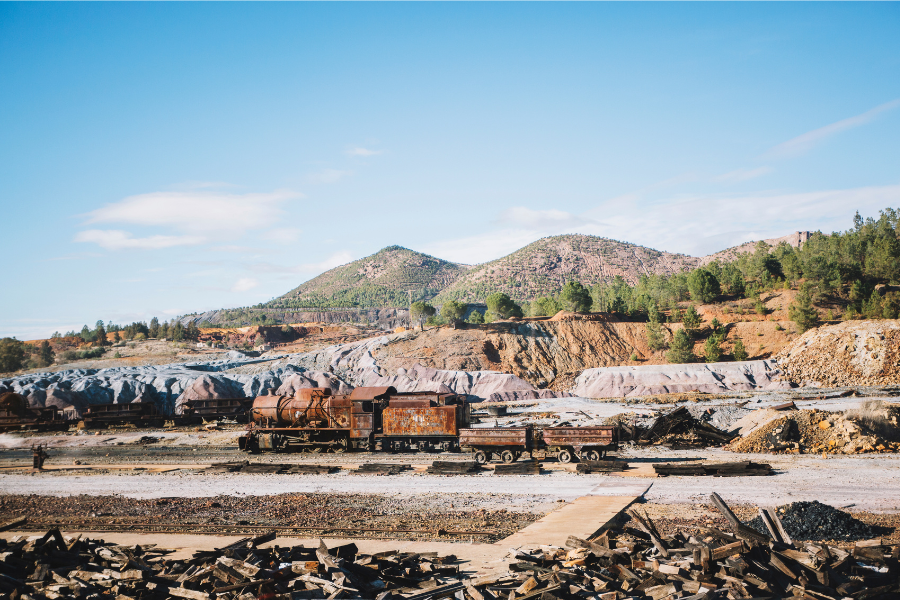
The effect is already showing up at Chinese ports. Stockpiles of Jimblebar ore sitting at major ports reached a record 9.8 million tonnes by 26 February, up 457% from late September. The ore is piling up because there are no buyers.

Why This Round Matters More
The earlier restrictions were manageable. The new ones are not so easy to dismiss.
At the core of this dispute is a disagreement over how iron ore gets priced. China wants yuan-denominated contracts and better long-term pricing terms. BHP has agreed to some yuan settlement for spot trade but has held firm on US dollar pricing for long-term supply agreements. Neither side has moved enough to close the gap.
There is also a longer game in play. China's Simandou iron ore project in Guinea is one of the largest undeveloped iron ore deposits in the world, and Beijing has been pushing it toward production for years. The goal is to reduce its dependence on Australian ore over time. That makes this pricing dispute part of a broader strategy, not just a one-off contract negotiation.
What It Means for BHP, Rio Tinto, and Fortescue
Each miner faces a different level of exposure here.
BHP is most directly in the firing line. Iron ore is still the backbone of its earnings. Iron ore delivered US$7.5 billion in underlying EBITDA in BHP's most recent half-year results, a solid result on record production volumes. But for the first time in company history, copper has overtaken iron ore as BHP's largest earnings driver, contributing 51% of group EBITDA. That context matters: BHP is no longer a pure iron ore story, which gives it some cushion against the China dispute. Further disruption to its biggest customer relationship is something BHP will want to protect.
Rio Tinto carries some collateral risk. When BHP's Jimblebar grades were first restricted, some Chinese mills switched to Rio Tinto ore instead. That dynamic could shift or become more complicated as CMRG's influence across the market grows.
Fortescue is relatively insulated for now. CMRG's restrictions have targeted BHP specifically through all three phases of escalation. But if iron ore prices come under sustained pressure, Fortescue feels it will be quickly given how heavily its revenue depends on the commodity.
The important counterpoint comes from RBC Capital Markets, which has called the ban a negotiating tactic. RBC analyst Kaan Peker argued that BHP's iron ore is "structurally irreplaceable" for China's steel mills, with roughly 11% of Chinese steel output at risk if a full ban were enforced. Replacing those volumes through other suppliers would cost more and deliver lower efficiency.
Three Things to Watch From Here
April delivery negotiations. CMRG's latest move creates real complications for BHP trying to sell April shipments. How those conversations go will be the next signal for the market.
Iron ore prices are around US$100 per tonne. The spot price has held near this level despite the restrictions. A sustained move lower would add earnings pressure across all three miners.
Simandou's timeline. Any acceleration in this project's development shifts the long-term picture for Australian iron ore exports.
Key Takeaways
China has moved from targeting low-volume BHP grades to restricting its core Pilbara products. The dispute is fundamentally about pricing control and currency terms. BHP carries the most direct risk, while RBC Capital Markets believes China's dependence on Australian ore makes a permanent ban unlikely.

Free ASX Market Outlook & Top Stock Picks for 2026
Instantly access our exclusive report and see which stocks our analysts are backing for growth this year.
 |
|
 3 quality yield income stocks to buy
Download now to access expert research from IPW analysts and strengthen your investment strategy.

Our friendly team is here to help.
If you have any questions or feedback about our service, please feel free to contact us.



© Australian Stock Report Pty Ltd. All rights reserved