
China’s rare earth export ban on Japan is reshaping global supply chains and exposing strategic vulnerabilities. For investors, it highlights why Lynas is emerging as a critical non-Chinese supplier.
China Bans Rare Earth Exports to Japan: Why Lynas Is the Strategic Winner

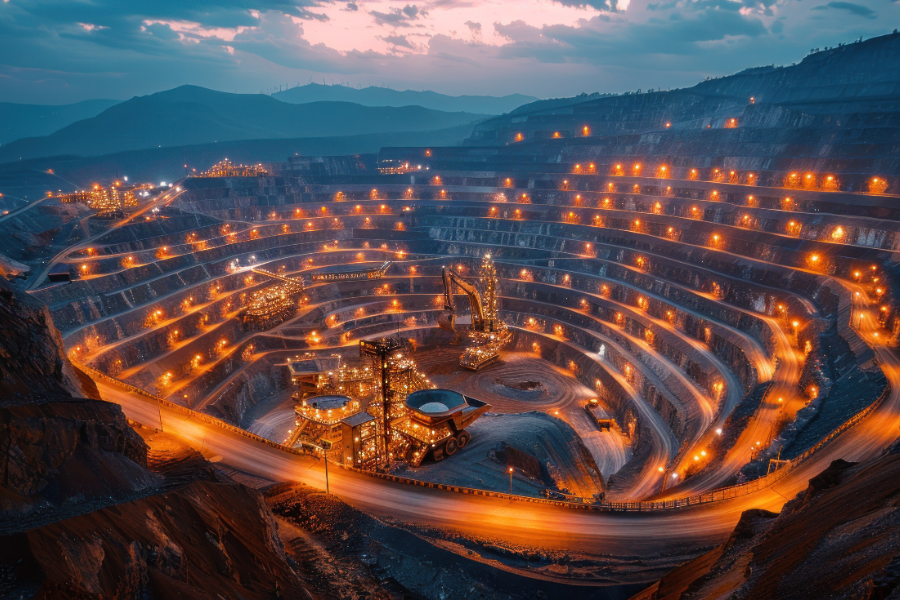
China has halted exports of critical dual-use items, including rare earths, to Japan's defence and high-tech sectors, the first major restriction since a 2010 diplomatic dispute that sent prices soaring tenfold. The trigger? Japanese Prime Minister Sanae Takaichi's November remarks suggesting Tokyo could deploy its military if China uses force against Taiwan.
For investors, this development demands attention. Japan is one of the world's largest consumers of rare earths, importing over 60% from China. Within hours of the announcement, ASX-listed Lynas Rare Earths (ASX:LYC) surged more than 10% as markets repriced the value of non-Chinese supply sources.
China's Grip on Global Rare Earth Supply
Rare earths are not actually rare. But processing them is difficult and expensive, which is why China dominates the supply chain.
According to the International Energy Agency, China controls around 70% of global mining, 90% of processing, and 94% of permanent magnet manufacturing.
These materials power modern technology. Electric vehicle motors, wind turbines, and military systems like the F-35 fighter jet all rely on rare earth elements. Without them, the clean energy transition stalls and defence capabilities weaken.
Throughout 2025, China has steadily tightened control. April brought new export controls. October saw expansion. November brought a US suspension. Now Japan faces systemic exclusion from China’s rare earth ecosystem.
Free ASX Market Outlook & Top Stock Picks for 2026
Instantly access our exclusive report and see which stocks our analysts are backing for growth this year.
 |
|
 3 quality yield income stocks to buy
Download now to access expert research from IPW analysts and strengthen your investment strategy.
Why Japan Is Vulnerable
Japan's dependence runs deep, over 60% of supply comes from China, flowing into Toyota, Honda, and other automakers ramping up EV production.
Japan experienced this in 2010 when a territorial dispute led to Chinese restrictions. Prices for high-demand elements like Dysprosium and Neodymium rose nearly tenfold within months.
The Extraterritorial Escalation
The 2025 controls have global reach. Products made anywhere containing Chinese-origin materials, even 0.1% of certain heavy rare earths, now require Beijing's approval. Defence contractors are explicitly targeted.
Deeper Analysis Available: For deeper analysis of geopolitical shifts reshaping commodity markets, download ASR's free Top-3 Stocks & Market Outlook Report.
Why Lynas Is Positioned to Benefit
Lynas stands out for a simple reason: it is the largest rare earth producer outside China. This makes it one of the few viable alternatives for nations seeking supply security.
The company already has strong ties to Japan. Japanese trading house Sojitz and government-backed JOGMEC have invested in Lynas, and the company supplies approximately 65% of Japan's heavy rare earth needs. With the Chinese supply now cut off, Lynas becomes essential infrastructure.
Lynas operates a vertically integrated supply chain, mining at Mt Weld in Western Australia, processing at a new facility in Kalgoorlie, and advanced materials production in Malaysia. This end-to-end capability is precisely what Western nations are seeking.
The Numbers Behind the Opportunity
Broker forecasts suggest Lynas' revenue could double from approximately A$557 million in FY25 to A$1.1 billion in FY26. NdPr production is expected to increase 35% to around 8,800 tonnes, with prices forecast to rise nearly 50% from current levels.
Lynas was recently added to the ASX 50 Index. The US defence angle adds further support. Lynas has secured over US$250 million in Pentagon contracts to build domestic processing capacity.
What Could Go Wrong
Power disruptions at Kalgoorlie recently caused a one-month production shortfall. While NdPr prices have rebounded 15% since the November announcement, they remain well below the 2022 peak. China's export controls could be adjusted; they are suspended until November 2026.
The share price reflects this uncertainty, trading between A$6.16 and A$21.96 over the past year.
Key Takeaways
- China's export ban signals rare earth weaponisation is accelerating, with Japan now cut off from its primary supplier
- Lynas is the only scaled non-Chinese producer, making it strategically valuable to Japan, the US, and Europe
- Revenue forecast to double in FY26 as production expands and prices recover
- Geopolitical risk creates both opportunity and volatility. This is a long-term structural trend, not a short-term trade
For investors seeking critical minerals exposure, explore ASR's Resources Portfolio for comprehensive coverage of ASX commodity producers, or download our free market outlook report to get started.



Our friendly team is here to help.
If you have any questions or feedback about our service, please feel free to contact us.



© Australian Stock Report Pty Ltd. All rights reserved